Authored by Patrick Imbardelli
The front desk isn’t what it used to be, and truthfully, neither is the traveller.
The hospitality experience of 2025 looks radically different from just five years ago. Today’s guests arrive not just with luggage but with expectations shaped by data, design, and digital intuition. The moment travellers step into a hotel lobby (or log into their mobile room key), they’re asking: Do you know me? Can you keep up with me? Will you serve me without friction?
Check-in has quietly become the new battleground for guest loyalty.
As someone who spent years leading one of Asia Pacific’s most significant hotel-brand houses, I remember when technology was layered on top of service. Now, it is the service. Digital pre-check-ins, mobile room access, facial recognition (all once optional) are now the foundation of modern hospitality operations.
However, technology is only part of the story. What’s really changing is the mindset of the traveller.
Travellers today demand
Frictionless arrivals
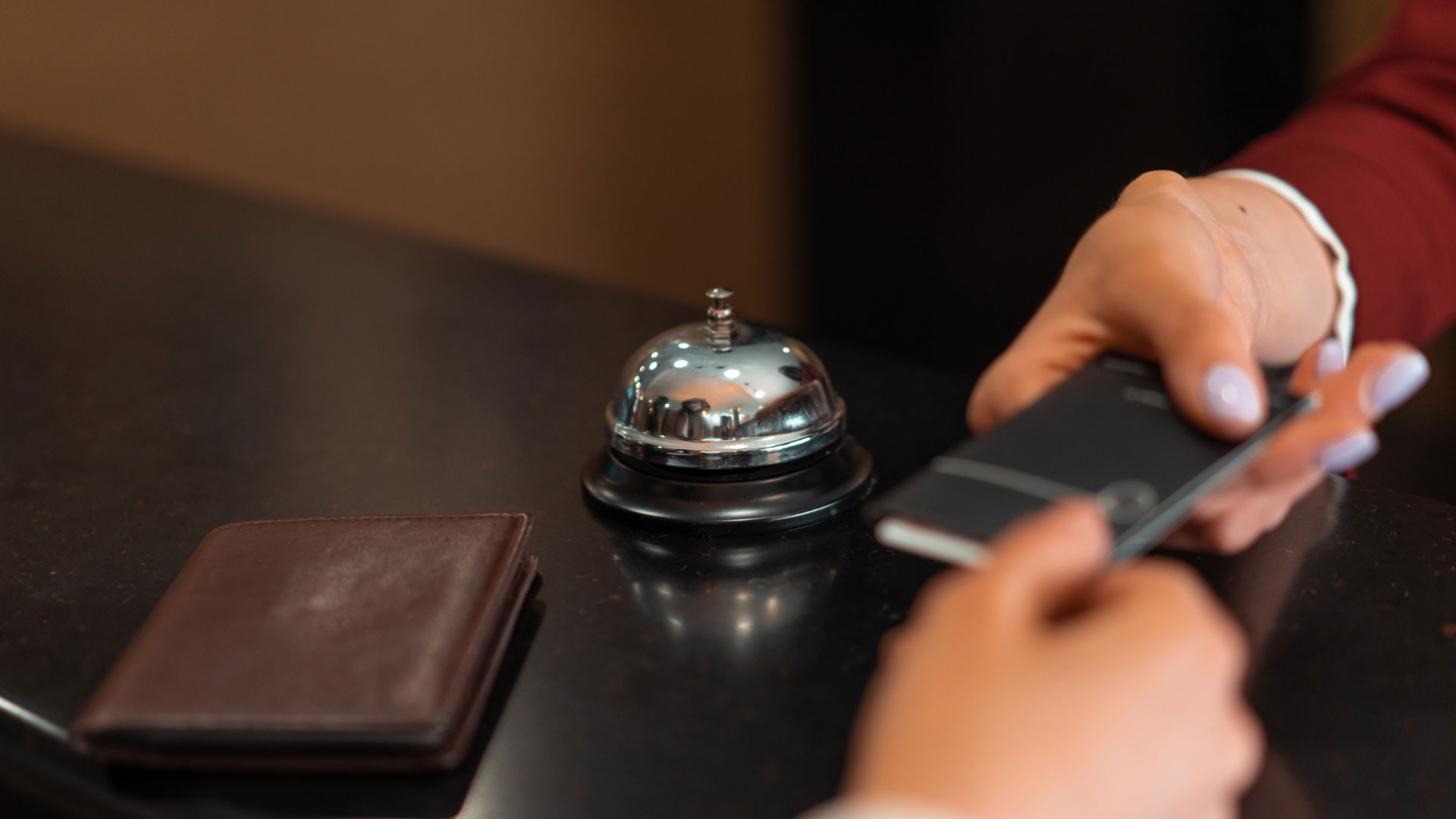
According to Deloitte study of Travel and Hospitality Outlook, 78% of travellers expect a fully contactless check-in experience by 2025, driven largely by increasing digital adoption and convenience-driven consumer behaviour. Biometric identification and mobile check-in apps, already growing at a compound annual growth rate of 22%, allow guests to move seamlessly from vehicle to room without ever approaching a physical reception desk. Brands unable to deliver this frictionless experience risk alienating a tech-savvy customer base rapidly growing accustomed to digital-first services.
Hyper-personalised touchpoints
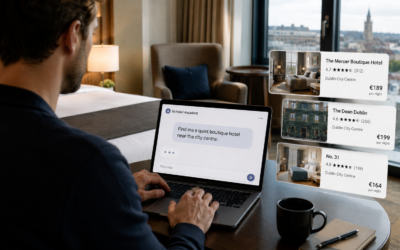
A recent Accenture Interactive survey on personalisation revealed that 91% of consumers are more likely to shop with brands that provide relevant, personalised recommendations. This expectation transfers seamlessly into hospitality, where guests now expect tailored in-room preferences, curated itineraries, and real-time responses to requests. AI-driven systems analysing previous stays, guest reviews, and digital interactions are already improving satisfaction scores by an average of 23%, according to McKinsey. Personalisation has moved from a unique selling point to an operational necessity, with hospitality brands needing robust data infrastructures to remain competitive.
Sustainability and purpose-driven experiences
In a recent Booking.com’s Sustainable travel report, 81% of global travellers stated that sustainable travel was important to them, and 53% admitted they get annoyed if accommodation providers don’t support sustainable practices. At check-in, travellers increasingly notice sustainability in action whether it’s through paperless digital transactions, visible energy-efficient practices, or the availability of carbon-offsetting options. A global IBM survey also showed 57% of consumers are willing to change purchasing habits to reduce negative environmental impacts, reinforcing the need for hotels to demonstrate tangible sustainability commitments.
At Velocity Ventures, we invest in startups that shape trends.
Take ZUZU Hospitality, a Velocity Ventures portfolio company; their Revenue Management System (RMS) is redefining how independent hotels operate by democratising access to advanced pricing and distribution tools once reserved for global chains. By leveraging real-time data and dynamic pricing algorithms, ZUZU helps properties boost occupancy and RevPAR while removing the complexity of revenue management.
Then there’s TripGuru, a Velocity Ventures portfolio company that brings the soul of travel back to the surface. Their small group, locally led experiences are curated to be immersive, personal, and digitally seamless. As travellers move from cookie-cutter itineraries to meaningful exploration, TripGuru ensures that relevance and resonance go hand-in-hand.
Our portfolio companies ride and steer the wave of change when there is an opportunity to do so.
They are a part of a larger thesis we hold: that the evolution of the traveller signals a deeper transformation in hospitality. From backend operations to brand storytelling, everything now orbits around a new kind of guest. A guest that is connected, conscious, and in control.
For investors, this means looking beyond hotel buildings and into technologies that enable dynamic guest engagement, real-time feedback loops, and operational intelligence. It means backing platforms that offer scalability and insight, not just service.
So what does the future traveller expect at check-in in 2025?
Everything, but nothing visible.
The check-in desk may still be there physically, but its meaning has changed. It’s no longer a desk. It’s a data node. A brand promise. A test.
Most importantly, an opportunity.