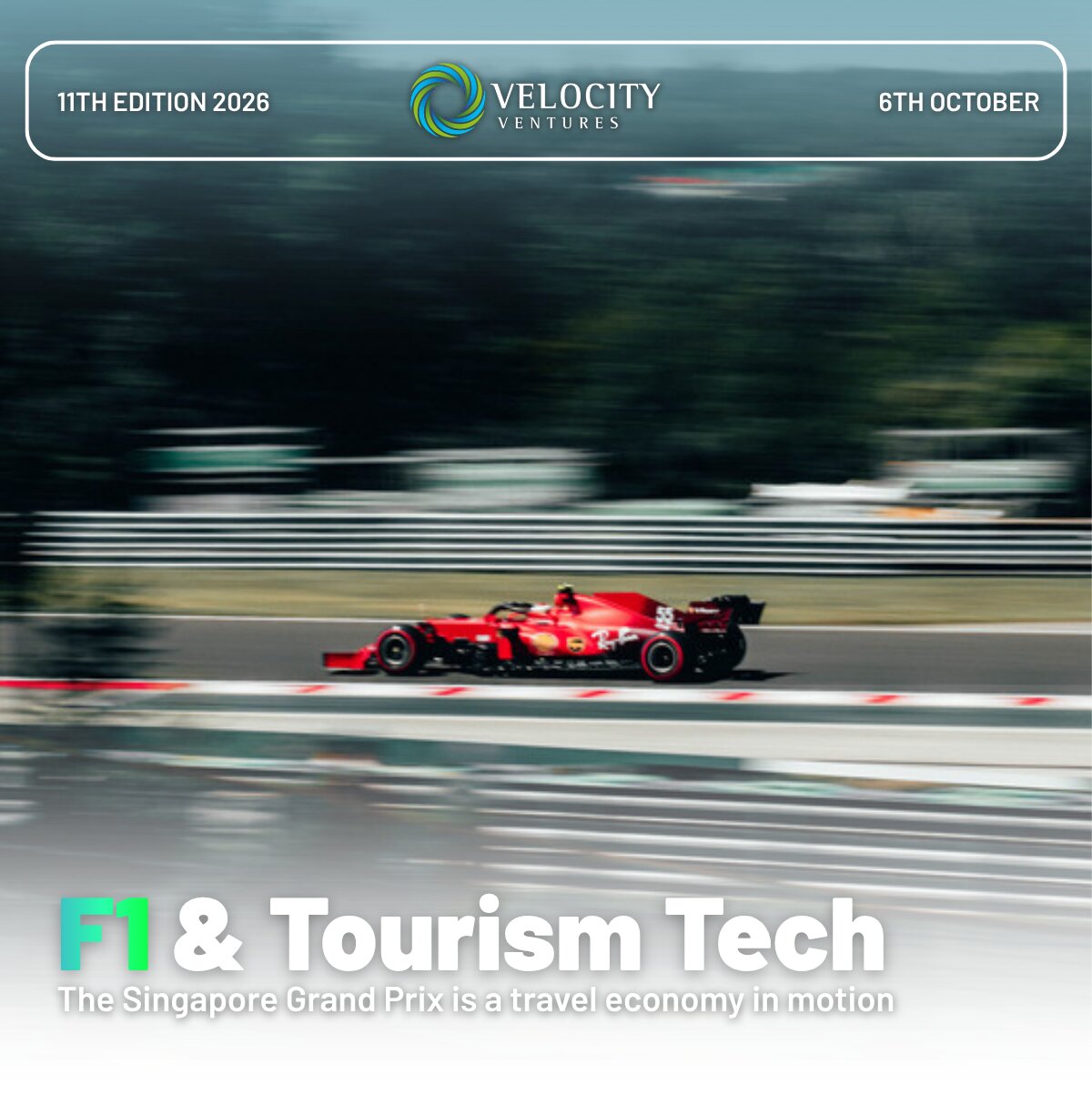
| | For one weekend each year, Singapore’s streets become a racetrack. But the commercial story begins well before the first car reaches the grid. Visitors plan trips, compare hotels and book flights. Restaurants prepare for busier services, while attractions and experience providers look for ways to reach people who have come for the race but have time to explore. The Formula 1 Singapore Grand Prix runs from 9 to 11 October, while Grand Prix Season stretches across the city from 2 to 11 October.
| That wider calendar matters. A major event gives people a reason to travel, but a destination earns more when it gives them reasons to stay longer, move beyond the venue and spend across different parts of the city. Grand Prix Season brings dining, entertainment, shopping and other experiences into that picture. The race may be the headline, yet the visitor’s journey is made up of many decisions before, during and after it.
| The scale makes the opportunity hard to overlook. Singapore’s 2025 Grand Prix recorded more than 300,000 attendances across three days, its second highest crowd since the first race. Those are event attendances, not a count of unique international visitors. Even with that distinction, the figure shows why a single event can matter to businesses far beyond its gates. Hotels, food and beverage operators, transport providers and local experiences all have a chance to serve the demand it brings.
| For operators, a busy week also exposes where the work gets difficult. Demand can rise quickly, but staff, rooms, tables and vehicles cannot expand at the same pace. Pricing a room well is only one part of the job. A hotel must manage distribution, answer guest questions and coordinate service when teams are under pressure. A restaurant needs orders to move accurately from customer to kitchen to payment. An experience provider needs visitors to find availability they can actually book. When those systems fail to connect, demand can be lost at the moment it should be most valuable.
| This is where tourism technology earns its place. Better forecasting can help an operator prepare for changes in demand. Connected booking and inventory systems can reduce missed sales and manual work. Digital ordering and payments can help restaurants handle peak periods. Tools that bring a visitor’s plans together can make it easier to discover a neighbourhood, add an activity or adjust an itinerary. The most useful products make a specific part of the journey work better for the traveller and the business serving them.
| For founders, the Grand Prix is a useful test of that value. A product might perform brilliantly during race week, but what happens when the crowds leave? Singapore also hosts conferences, concerts and other major events, alongside the steady flow of everyday travel. A solution built around a genuine operating problem should prove useful in more than one peak period. Founders need to show who will pay for it, how easily it fits into existing workflows and whether its benefits can be measured after the excitement has passed.
| Investors should ask the same questions. A surge in bookings is a sign of demand; it does not, by itself, prove that every business capturing those bookings has strong economics. The more revealing measures may be how much revenue an operator retains, what it costs to serve each customer, whether guests return and whether technology helps the team do more with the resources it has. For a startup, the opportunity is stronger when its product improves those measures repeatedly, across operators and markets, rather than depending on one spectacular weekend.
| There is also value in seeing the journey as a whole. The traveller buying a race ticket may book a hotel, reserve a dinner, arrange transport and discover an experience, often through separate services. Each handover offers founders a problem to understand and operators a chance to serve the visitor better. The aim is a trip that feels simple to the guest, even when many businesses are working behind it.
| The Grand Prix puts Singapore under bright lights. It also illuminates something larger: travel creates opportunity across a wide network of businesses. For investors willing to look closely, the race is a reminder that the industry’s value reaches well beyond the ticket or the hotel room. The most compelling founders will be those who help that whole network work better, on race weekend and throughout the year.
| | Know a startup reshaping the industry? Share it with our investment team: [email protected]. To unsubscribe, click here.
| UE Square Office Tower, 83 Clemenceau Avenue, #04-01, Singapore 239920
| © 2026 Velocity Ventures Pte. Ltd. All rights reserved.
| | | | | | |
|
| | |
|